Vintage Small: A Bold Vintage Font
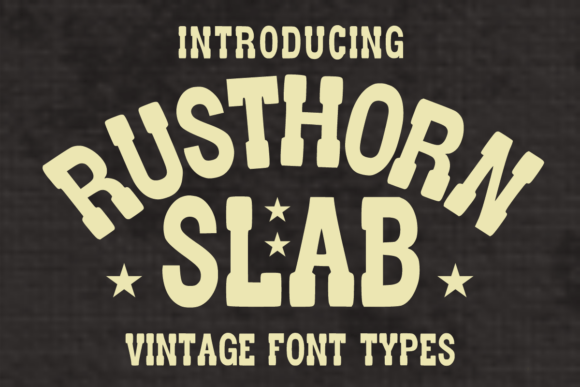
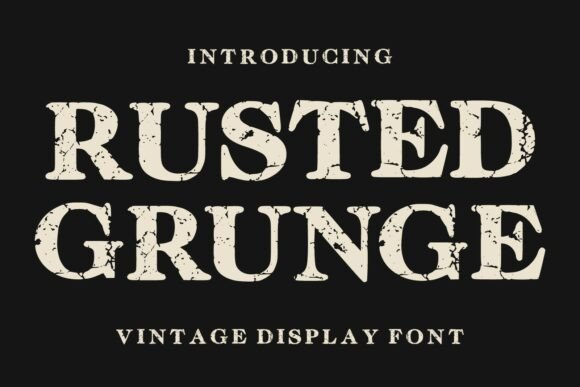
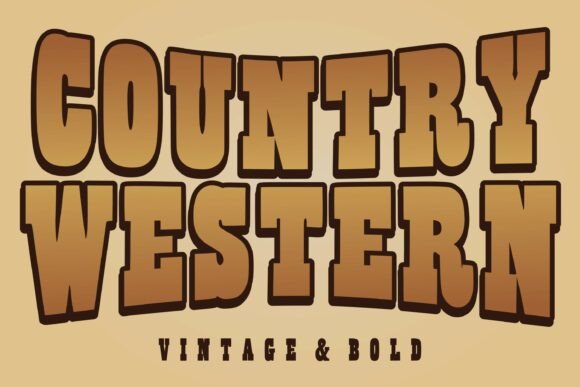
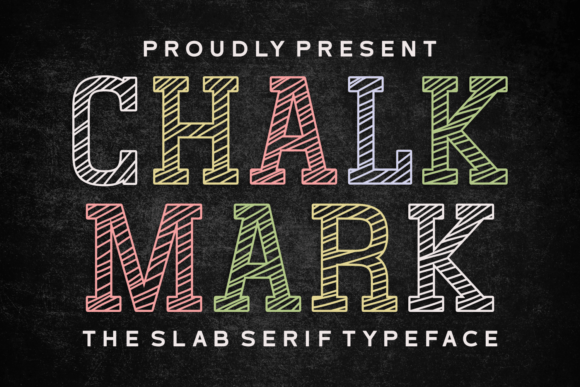
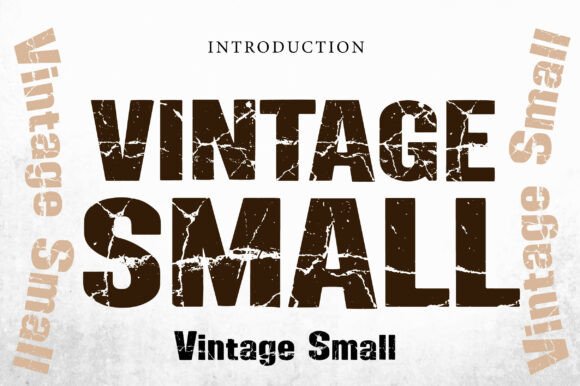
Vintage Small is a bold distressed display font that captures the essence of retro print textures, aged signage, and old-school handcrafted lettering. Designed for those who appreciate the charm of bygone eras, this typeface brings an authentic vintage personality that feels rugged, nostalgic, and full of character. Its strong compact letterforms, rough cracked details, and worn surface effect make it ideal for a wide range of design projects where a timeless, weathered look is desired.
Whether you're working on branding, posters, packaging, labels, apparel graphics, logos, book covers, or rustic design projects, Vintage Small offers a naturally aged appearance that adds depth, grit, and retro charm. The bold structure ensures every word remains highly visible and impactful, while the distressed finish enhances visual interest and emotional resonance.
Why Vintage Small Matters
For designers and creators, Vintage Small represents more than just a font—it's a tool that can elevate the visual storytelling of a project. In an age where digital design often leans toward clean, modern aesthetics, the unique texture and character of Vintage Small stand out as a refreshing alternative. This font isn't just about looking old; it's about evoking a sense of history, authenticity, and craftsmanship that resonates with audiences on a deeper level.
Consider a small business owner looking to create a brand identity that feels grounded and trustworthy. Vintage Small can help convey a sense of heritage and reliability, making the brand feel more connected to its roots. Similarly, a designer working on a retro-themed poster might use Vintage Small to add a layer of nostalgia that draws viewers in and makes the message more memorable.
Practical Benefits of Using Vintage Small
Vintage Small offers several practical benefits that can enhance both the creative process and the final outcome of a design project. One of its key strengths is its versatility. The font works well in a variety of contexts, from large-scale signage to smaller text elements, making it a valuable addition to any designer's toolkit.
Another benefit is its ability to add visual interest without overwhelming the design. The distressed texture of Vintage Small provides a subtle but effective contrast to simpler, cleaner fonts, allowing for a balanced composition that still feels dynamic and engaging. This makes it particularly useful for projects that require a mix of bold statements and detailed elements.
Real-World Applications
Imagine a packaging designer tasked with creating a line of artisanal products that emphasize quality and tradition. By using Vintage Small for the product labels, they can instantly communicate a sense of craftsmanship and authenticity. The font's aged appearance reinforces the idea that these are handcrafted items, appealing to consumers who value uniqueness and heritage.
Similarly, a marketer working on a campaign for a vintage clothing store could use Vintage Small to create eye-catching headlines and promotional materials. The font's retro aesthetic aligns perfectly with the brand's identity, helping to attract customers who are drawn to classic styles and nostalgic themes.
Who Can Benefit Most
Vintage Small is particularly suited for professionals and creatives who work in industries that rely on strong visual identities. This includes graphic designers, branding specialists, marketers, and independent entrepreneurs looking to establish a distinctive presence in their market. It also appeals to hobbyists and enthusiasts who want to bring a vintage feel to personal projects, such as handmade cards, custom t-shirts, or DIY home decor.
For educators and publishers, Vintage Small can be used to create educational materials or books that have a historical or thematic focus. The font's aged look can help set the tone for content that explores past eras, making the material more immersive and engaging for readers.
Limitations and Considerations
While Vintage Small is a powerful tool for many design applications, it may not be the best choice for every project. Its distressed texture and bold structure can sometimes make it less legible in smaller sizes or when used extensively in body text. Designers should consider the context in which the font will be used and ensure that readability is not compromised.
Additionally, because of its distinct style, Vintage Small may not fit well with modern, minimalist design trends. If the goal is to create a clean, contemporary look, other fonts might be more appropriate. However, for projects that aim to evoke a sense of history, nostalgia, or ruggedness, Vintage Small is an excellent choice.
How to Use Vintage Small Effectively
To get the most out of Vintage Small, start by experimenting with different sizes and placements within your design. The font works best when used strategically, such as for headings, titles, or focal points rather than long paragraphs of text. Pairing it with simpler, more neutral fonts can help balance the overall composition and ensure that the message remains clear and readable.
When using Vintage Small in digital formats, pay attention to how the font renders on different devices and screen sizes. Testing the font in various environments can help identify any potential issues and ensure that the intended visual effect is achieved consistently across platforms.
Conclusion
Vintage Small is more than just a font—it's a design element that can add depth, character, and authenticity to a wide range of projects. Its bold structure, distressed finish, and vintage-inspired aesthetic make it a valuable resource for designers looking to create visually rich, emotionally resonant work. Whether you're working on a branding project, a marketing campaign, or a personal creative endeavor, Vintage Small offers a unique way to express a sense of history and craftsmanship that stands out in today's design landscape.