Chalk Mark: The Bold, Rustic Font That Speaks Volumes
For those seeking a font that blends the nostalgia of old-school typography with modern design sensibilities, Chalk Mark stands out as a unique choice. This font isn't just about aesthetics—it's about making a statement. With its authentic rusty charm and chalk-style strokes, it brings a vintage vibe to digital projects while maintaining a sleek, contemporary edge. Whether you're a designer, marketer, or small business owner, Chalk Mark offers a distinctive way to express your brand or creative vision.
But like any powerful tool, it's important to understand how to use Chalk Mark effectively. Missteps in its application can lead to cluttered designs, unclear messaging, or an overall lack of impact. Let's explore what makes this font special, where people often go wrong, and how to make the most of it.
What Makes Chalk Mark Unique?
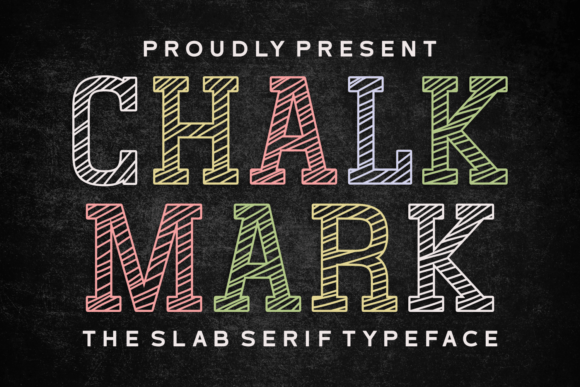
Chalk Mark is more than just a font—it's a design element that adds character and personality. Its stylized strokes mimic the look of actual chalk on a blackboard, giving it a handcrafted feel. This makes it ideal for projects that aim to evoke a sense of nostalgia, creativity, or casual energy.
Unlike many digital fonts that prioritize uniformity, Chalk Mark embraces imperfection. Each letter has subtle variations, which can be both a strength and a challenge. While this gives it a more organic, human touch, it also means that careful attention must be paid to spacing and alignment to maintain readability.
Common Mistakes When Using Chalk Mark
One of the most frequent errors when using Chalk Mark is overuse. Because of its bold and eye-catching style, some users may be tempted to apply it to entire documents or large blocks of text. However, this can quickly become overwhelming and reduce the legibility of the content.
Another common mistake is not considering the context. Chalk Mark works best in informal or creative settings—think logos, headlines, or social media posts. Using it in professional or formal environments may come across as unprofessional or inconsistent with the overall tone.
Some users also overlook the importance of proper sizing and spacing. Due to its irregular stroke patterns, Chalk Mark can appear uneven if not adjusted correctly. This can lead to visual clutter and make the text harder to read, especially at smaller sizes.
How These Mistakes Affect Results
Overusing Chalk Mark can result in a design that feels chaotic or unpolished. Instead of standing out, the text may blend into the background, failing to capture attention or convey the intended message. This is particularly problematic in marketing materials or branding efforts where clarity and impact are essential.
Using the font inappropriately can also damage the credibility of a project. If a business or website uses Chalk Mark in a formal setting, it may give the impression of being careless or unprofessional. This can hurt user trust and reduce the effectiveness of the communication.
Inadequate spacing and sizing can lead to poor readability, which directly affects user experience. If the text is hard to read, visitors may leave the page or fail to engage with the content, reducing the overall success of the design.
Practical Advice for Better Use of Chalk Mark
To get the most out of Chalk Mark, start by using it selectively. Apply it to headings, logos, or short phrases rather than long paragraphs. This allows the font to shine without overwhelming the reader.
Consider the context carefully. If your project requires a more polished or professional look, Chalk Mark may not be the best fit. However, for creative or casual projects, it can add a unique and memorable touch.
Pay attention to typography details. Adjust the spacing, line height, and font size to ensure that Chalk Mark looks clean and readable. Testing different sizes and layouts can help you find the optimal balance between style and functionality.
Realistic Examples and Better Approaches
Imagine you're designing a poster for a local art exhibition. Using Chalk Mark for the title can immediately draw attention and set a creative tone. However, using it for the body text would make the information hard to read and less effective.
Another example is a small business website. A logo featuring Chalk Mark can add a personal, handmade feel, but applying the same font to navigation menus or product descriptions might confuse visitors and detract from the overall professionalism of the site.
A better approach is to pair Chalk Mark with simpler, more readable fonts for body text. This creates contrast and ensures that the design remains functional while still showcasing the unique character of the chalk-style font.
What to Check Before Using Chalk Mark
Before incorporating Chalk Mark into your design, check the licensing terms. Some fonts may have restrictions on commercial use, so it's important to verify that you're using it within the allowed parameters.
Also, test the font in different sizes and formats. View it on various devices and screen sizes to ensure that it looks good and remains legible. This helps avoid unexpected issues when the final design is deployed.
Finally, consider the audience. If your target demographic values tradition, simplicity, or professionalism, Chalk Mark may not align with their expectations. In such cases, a more conventional font might be a better choice.
Conclusion: Make the Right Choice with Chalk Mark
Chalk Mark is a powerful font that can elevate your design work when used thoughtfully. Its unique style and vintage appeal make it stand out in a world of generic typography. However, it's important to understand its strengths and limitations to avoid common pitfalls.
By using Chalk Mark wisely, you can create designs that are both visually engaging and functionally effective. Whether you're a designer, marketer, or business owner, taking the time to learn how to use this font properly will help you make the most of its distinctive character.