Vintage Dusty: A Typeface That Captures the Soul of History
In the world of typography, certain typefaces stand out not just for their visual appeal but for the stories they tell. One such typeface is Vintage Dusty, a design that evokes a sense of nostalgia and authenticity. With its elongated, towering structure and subtle "dusty" texture, Vintage Dusty is more than just a font—it's a symbol of history, craftsmanship, and enduring legacy. Whether you're designing a logo for a vintage coffee shop or creating a label for urban streetwear, this typeface offers a unique blend of style and substance.
What Is Vintage Dusty?
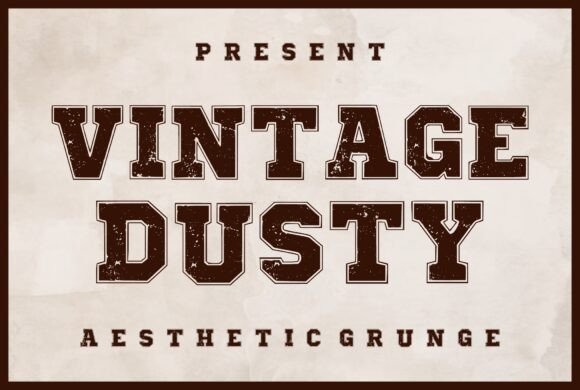
Vintage Dusty is a serif typeface that features an elongated, towering structure, giving it a distinct and dramatic appearance. The letters are tall and narrow, which creates a sense of elegance and sophistication. What sets Vintage Dusty apart, however, is its subtle "dusty" texture. This texture mimics the look of aged paper or weathered surfaces, suggesting years of use and history. It's as if the typeface has been through time, carrying with it the marks of its past.
This combination of height and texture makes Vintage Dusty ideal for projects that aim to evoke a sense of heritage. It's not just about looking old—it's about feeling the weight of history. The typeface can transform a simple text into a powerful statement, making it a popular choice among designers who want to convey authenticity and tradition.
The Significance of the Dusty Texture
The "dusty" texture in Vintage Dusty is more than just a stylistic choice; it's a deliberate design element that adds depth and character. This texture can be achieved through subtle grain or imperfections in the letterforms, which give the typeface a tactile quality. When viewed up close, these details become more apparent, reinforcing the idea that the typeface has been used and worn over time.
This feature is particularly effective in branding. For example, a vintage coffee shop might use Vintage Dusty to create a logo that feels like it belongs in a bygone era. The dusty texture suggests that the shop has been around for a long time, serving customers with the same care and dedication. Similarly, a streetwear label could use the typeface to create a sense of ruggedness and authenticity, appealing to consumers who value individuality and history.
Practical Applications of Vintage Dusty
Vintage Dusty is versatile enough to be used in a variety of contexts. Its unique characteristics make it suitable for both digital and print media, allowing designers to incorporate it into different types of projects. Here are some common applications:
- Heritage-Inspired Branding: Companies that want to emphasize their history or tradition often use Vintage Dusty to create logos that feel timeless. This is especially common in industries like hospitality, where the atmosphere and story of a business play a significant role in customer experience.
- Vintage Coffee Shop Logos: Coffee shops that aim to create a cozy, nostalgic vibe can benefit from the elongated structure and dusty texture of Vintage Dusty. The typeface helps to reinforce the idea of a place that has been around for years, offering a warm and welcoming environment.
- Urban Streetwear Labels: In the fashion industry, Vintage Dusty can be used to create labels that feel authentic and edgy. The typeface's rugged appearance aligns well with the aesthetic of urban streetwear, which often celebrates raw, unpolished styles.
These examples illustrate how Vintage Dusty can be adapted to different needs while maintaining its core identity. Its ability to convey history and authenticity makes it a valuable tool for designers looking to create meaningful and impactful designs.
How Vintage Dusty Fits Into Modern Life
In today's fast-paced, digital world, there is a growing appreciation for things that feel real and genuine. This trend is reflected in the popularity of vintage aesthetics, which have made their way into various aspects of modern life. From clothing to home decor, people are seeking out items that have a sense of history and character.
Vintage Dusty fits perfectly into this trend. By using this typeface, designers can create work that resonates with audiences who value authenticity and storytelling. For instance, a marketing campaign for a new line of handmade products could use Vintage Dusty to emphasize the craftsmanship and effort that went into each item. The typeface would help to reinforce the message that these products are not mass-produced but rather made with care and dedication.
Moreover, Vintage Dusty can be used in educational settings to teach students about the history of typography and design. By studying the characteristics of this typeface, students can gain a deeper understanding of how fonts can influence perception and emotion. This knowledge can be applied to future projects, helping to develop a more nuanced approach to design.
Common Misconceptions About Vintage Dusty
Despite its popularity, there are some common misconceptions about Vintage Dusty that are worth addressing. One of the most frequent misunderstandings is that the typeface is only suitable for old-fashioned or outdated designs. While it certainly has a vintage feel, Vintage Dusty can be used in modern contexts as well. Its clean lines and structured form allow it to blend seamlessly with contemporary design elements, making it a flexible choice for a wide range of projects.
Another misconception is that the dusty texture might make the typeface difficult to read. However, when used appropriately, the texture enhances the visual appeal without compromising legibility. Designers can adjust the size and spacing of the text to ensure that it remains clear and easy to read, even in smaller formats.
Finally, some may assume that Vintage Dusty is only relevant for specific industries, such as food or fashion. In reality, its versatility extends to many other areas, including book publishing, event invitations, and even digital interfaces. The key is to understand how the typeface can be adapted to suit different needs while maintaining its unique character.
Conclusion
Vintage Dusty is more than just a typeface—it's a design that tells a story. Its elongated structure and dusty texture capture the essence of history and hard work, making it an excellent choice for a variety of creative and commercial applications. Whether you're designing a logo for a vintage coffee shop or creating a label for urban streetwear, Vintage Dusty offers a powerful way to convey authenticity and tradition.
As the demand for meaningful and visually compelling designs continues to grow, typefaces like Vintage Dusty will remain relevant. They remind us that design is not just about aesthetics but also about connection and storytelling. By understanding the significance of Vintage Dusty, designers can create work that resonates with audiences and stands the test of time.