Romantic: A Font of Elegance and Accessibility
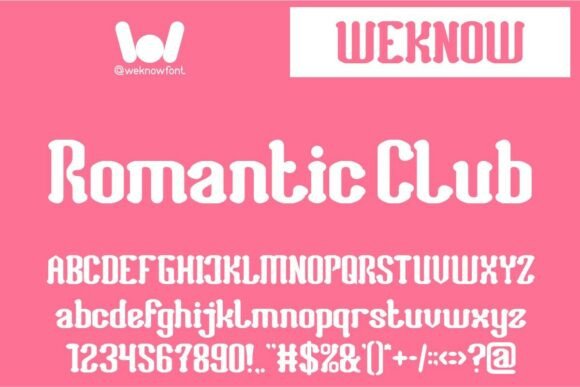
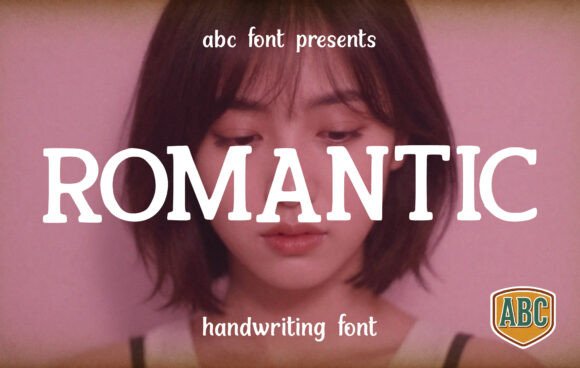
The Romantic font is a display typeface that blends the timeless charm of classic serifs with a modern, soft aesthetic. Designed for high-end editorial and branding projects, it offers a refined look that conveys understated luxury. Its delicate, flared serifs and graceful flow make it ideal for situations where elegance and sophistication are key. Whether used in bridal branding, fashion magazines, or boutique stationery, Romantic adds a touch of poetic grace without overwhelming the design.
What Makes Romantic Unique?
Romantic is a serif typeface that balances traditional proportions with a contemporary personality. Unlike more rigid or ornate fonts, it maintains a gentle, flowing character that feels approachable yet refined. The font's airy counters and balanced weight contribute to its legibility, making it suitable for both headline use and stylistic accents. This combination of beauty and functionality sets it apart from other display fonts that may prioritize style over readability.
The font's design allows it to work well with minimalist photography and muted color palettes, creating a quiet luxury aesthetic. This makes it particularly effective in projects that aim to evoke a sense of calm, refinement, and timeless appeal. Its versatility means it can be used across various media, from print to digital formats, as long as the context aligns with its elegant tone.
When Might Someone Choose Romantic?
Designers and brands looking to convey a sense of human-centric luxury may find Romantic to be an excellent choice. It is especially well-suited for projects that require a refined, yet accessible visual identity. For instance, wedding invitations that aim to feel personal and elegant can benefit from the font's graceful appearance. Similarly, perfume labels, fashion magazines, and boutique stationery often use Romantic to reinforce a theme of sophistication and artistic expression.
Romantic also works well in high-concept book covers or social media templates where a polished, stylish look is desired. Its ability to maintain legibility at larger sizes ensures that it remains readable even when used as a primary headline. This makes it a practical option for designers who want to balance aesthetics with usability.
Considerations and Tradeoffs
While Romantic is visually appealing, it is important to consider its limitations. As a display font, it is not designed for body text and may not be suitable for long passages of copy. Its delicate features may also appear less effective in certain contexts, such as digital interfaces where clarity and contrast are critical. In these cases, alternative fonts with stronger, more structured forms might be more appropriate.
Another consideration is the font's availability and licensing. Designers should ensure that they have the correct license for their intended use, whether for commercial or personal projects. Additionally, while Romantic is versatile, it may not fit all design styles. Those working on more industrial, modern, or tech-focused projects may find that other fonts better align with their brand's identity.
Situations Where Romantic Shines
Romantic excels in environments where subtlety and refinement are valued. It is particularly effective in editorial layouts that emphasize storytelling and visual harmony. For example, a lifestyle magazine focusing on travel, art, or culture could use Romantic to add a touch of sophistication to headlines and captions. Its softness also makes it ideal for branding that aims to feel warm and inviting rather than cold or corporate.
Bridal and event branding is another area where Romantic can make a strong impact. Wedding invitations, save-the-dates, and related materials often benefit from the font's elegant, romantic feel. It can help set the tone for a celebration that is both personal and luxurious. Similarly, fashion or beauty campaigns that seek to evoke a sense of timeless beauty may find Romantic to be a compelling choice.
Alternatives to Consider
For projects that require a more structured or bold appearance, alternatives like Caslon, Garamond, or Baskerville may be more suitable. These fonts offer similar classic influences but with different stylistic nuances. For modern, clean designs, sans-serif fonts such as Helvetica or Futura could provide a more neutral and versatile option.
Designers should also consider the target audience when selecting a font. If the goal is to create a highly accessible and widely readable design, a simpler typeface may be preferable. However, if the focus is on aesthetics and emotional resonance, Romantic can be a powerful tool when used appropriately.
Practical Insights for Decision-Making
Before choosing Romantic, it is advisable to test it in the intended context. Previewing the font in different sizes, colors, and backgrounds can help determine how well it performs in real-world scenarios. This is especially important for digital applications where screen resolution and contrast can affect legibility.
Additionally, understanding the brand's voice and the message being communicated is crucial. Romantic is best suited for brands that want to express warmth, elegance, and a connection to tradition. If the brand's identity is more forward-thinking or minimal, other fonts may better reflect that vision.
Finally, considering the broader design ecosystem is essential. Romantic should complement other elements of the design, such as images, colors, and layout. A cohesive visual language will enhance the overall impact of the project and ensure that the font supports, rather than distracts from, the message being conveyed.