Reduced Ornament: A Timeless Serif for Elegant Design
When it comes to typography, the right font can make all the difference. For those seeking a balance between old-world charm and modern readability, Reduced Ornament stands out as a versatile and elegant choice. This classic decorative serif font combines the ornamental flair of traditional typefaces with a clean, vintage character that remains highly legible. Whether you're designing a logo, creating packaging, or crafting a headline, Reduced Ornament offers a unique blend of style and practicality.
Understanding Reduced Ornament
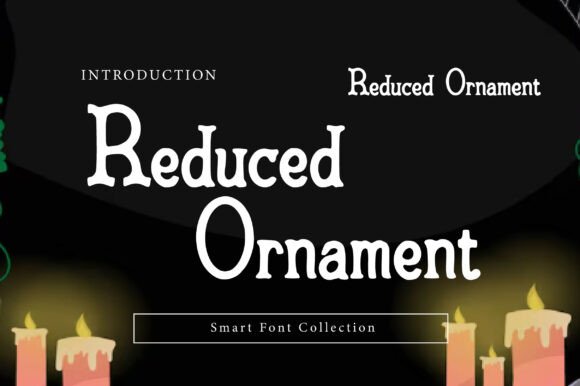
Reduced Ornament is more than just a font—it's a design philosophy. It draws inspiration from historical typefaces but simplifies their intricate details to ensure clarity and usability. The result is a font that feels both retro and refined, making it ideal for projects that require a touch of elegance without sacrificing functionality.
The font’s slightly rounded edges and subtle flourishes give it a warm, handcrafted look. Unlike overly ornate fonts that can be difficult to read in small sizes, Reduced Ornament maintains a balanced structure that works well across various applications. Its vintage character is perfect for designs that aim to evoke nostalgia, while its clean lines keep it from feeling outdated.
Key Features of Reduced Ornament
- Vintage Character: Reduced Ornament captures the essence of old-style typography, making it ideal for retro-themed projects.
- Readability: Despite its ornamental nature, the font is designed to remain legible at different sizes and in various contexts.
- Versatility: From logos to book covers, Reduced Ornament adapts well to a wide range of design needs.
- Timeless Appeal: The font’s design ensures it remains relevant across changing trends, offering a long-lasting solution for creative professionals.
Where to Use Reduced Ornament
The applications of Reduced Ornament are as varied as the industries that use it. Here are some common scenarios where this font shines:
Branding and Logos
Businesses looking to establish a classic or vintage identity often turn to Reduced Ornament. Its sophisticated yet approachable look makes it a great fit for brands in the food, fashion, and lifestyle sectors. A coffee shop, bakery, or boutique might use this font to create a logo that feels authentic and inviting.
Packaging and Labels
Product packaging benefits greatly from Reduced Ornament, especially for items that aim to convey a sense of craftsmanship or tradition. Food products, artisanal goods, and specialty items can use this font to enhance their visual appeal and communicate quality to consumers.
Book Covers and Editorial Headlines
For publishers and designers working on books, magazines, or editorial content, Reduced Ornament adds a touch of elegance that complements literary themes. Its vintage feel is particularly effective for historical fiction, poetry, or non-fiction titles that benefit from a nostalgic tone.
Invitations and Stationery
Weddings, events, and formal correspondence often rely on Reduced Ornament to create an air of sophistication. The font’s traditional aesthetic makes it ideal for invitations, thank-you notes, and other stationery items that require a personal, polished look.
Who Benefits from Using Reduced Ornament?
Reduced Ornament is not just for designers—it appeals to a wide range of users, including:
- Business Owners: Those looking to create a brand identity that feels authentic and timeless.
- Graphic Designers: Professionals who need a reliable, stylish font for client projects and personal work.
- Content Creators: Bloggers, YouTubers, and social media managers who want to add a unique visual element to their content.
- Print and Digital Publishers: Individuals involved in publishing books, magazines, or digital media who seek a classic yet modern typographic solution.
Whether you’re launching a new business, redesigning a website, or simply looking for a font that feels special, Reduced Ornament offers a compelling option that balances form and function.
Strengths and Considerations
Like any design tool, Reduced Ornament has its strengths and limitations. Understanding these can help you determine if it’s the right choice for your project.
Strengths:
- Unique Aesthetic: The font’s vintage-inspired design sets it apart from more generic options, giving your work a distinctive look.
- High Readability: Despite its ornamental elements, Reduced Ornament is easy to read, even in smaller sizes.
- Timeless Design: It avoids fleeting trends, ensuring it remains relevant over time.
Considerations:
- Not Suitable for All Text: While excellent for headlines and short phrases, Reduced Ornament may not be ideal for large blocks of body text due to its decorative nature.
- Requires Careful Pairing: When used alongside other fonts, it should be paired thoughtfully to maintain visual harmony.
- May Not Fit Modern Styles: Some contemporary design aesthetics may not align with the traditional feel of Reduced Ornament.
By recognizing these factors, you can make informed decisions about when and how to use Reduced Ornament effectively.
Real-World Applications of Reduced Ornament
Let’s explore a few examples of how Reduced Ornament is used in practice:
- Coffee Shop Branding: A local café might use Reduced Ornament for its logo, menu, and signage to create a cozy, artisanal vibe that resonates with customers.
- Book Covers: A publisher could apply Reduced Ornament to the title of a historical novel, adding a layer of authenticity and visual interest.
- Wedding Invitations: Couples might choose this font for their wedding stationery to reflect a classic, elegant theme that feels personal and meaningful.
- Product Packaging: A handmade soap or candle company could use Reduced Ornament on labels to emphasize craftsmanship and natural ingredients.
These examples highlight how Reduced Ornament can be adapted to suit different industries and purposes while maintaining its signature style.
How to Evaluate Suitability for Your Project
Before committing to Reduced Ornament, consider the following factors:
- Project Goals: Ask yourself what message you want to convey. If your goal is to evoke nostalgia or tradition, Reduced Ornament is a strong candidate.
- Target Audience: Think about who will see your design. A vintage font may resonate more with certain demographics than others.
- Design Context: Ensure the font fits within the overall visual language of your project. Test it in different sizes and formats to see how it performs.
- Alternative Options: Compare Reduced Ornament with similar fonts to determine which one best meets your needs.
By taking these steps, you can confidently decide whether Reduced Ornament is the right choice for your design needs.