Wildflower: A Strategic Approach to Floral Typography
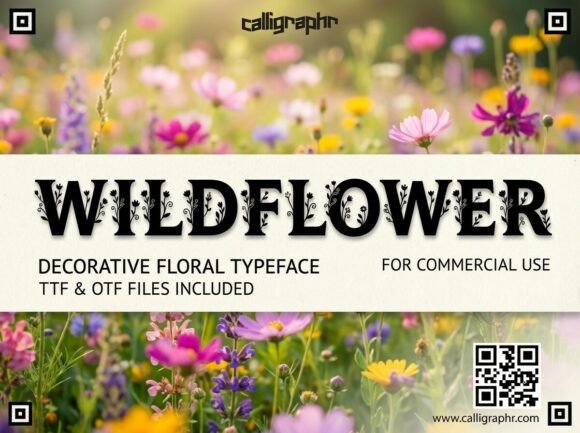
Wildflower is more than just a typeface; it's a design philosophy that blends the structured elegance of slab-serif typography with the organic beauty of hand-drawn botanical illustrations. This unique capital typeface offers a visual language that speaks to the natural world, making it an ideal choice for brands seeking to evoke authenticity, serenity, and a connection to nature.
For entrepreneurs, marketers, and creatives, Wildflower provides a powerful tool for branding and communication. Its ability to merge architectural strength with delicate floral elements allows for a versatile application across multiple industries, from skincare packaging to wedding invitations. By strategically incorporating Wildflower into design projects, businesses can create a distinct identity that resonates with their target audience.
Understanding the Strategic Value of Wildflower
Wildflower's appeal lies in its ability to convey a sense of craftsmanship and natural beauty without sacrificing clarity or readability. The typeface's use of negative space and intricate details makes it particularly effective for projects that require a high level of visual storytelling. This makes it a valuable asset for brands looking to differentiate themselves in competitive markets.
When used thoughtfully, Wildflower can enhance brand messaging by aligning with the values of sustainability, wellness, and artisanal quality. For example, a boutique apothecary might use Wildflower to reinforce its commitment to natural ingredients and traditional methods. Similarly, an eco-friendly product line could leverage the typeface to communicate its environmental ethos through visual design.
When to Use Wildflower: Practical Scenarios
Wildflower is most effective when the goal is to create a strong visual identity that reflects a specific brand narrative. It works best in situations where the message is centered around nature, simplicity, and authenticity. This includes packaging for organic products, promotional materials for wellness retreats, and editorial content for lifestyle publications.
Consider using Wildflower when you want to establish a cohesive aesthetic that supports your brand's core values. For instance, a romantic wedding invitation suite could benefit from the typeface's elegant and whimsical qualities, creating a visual experience that complements the event's theme. In such cases, the strategic placement of Wildflower within the design can significantly impact the overall perception of the brand.
Planning Tips for Effective Use
To maximize the impact of Wildflower, start by defining the purpose of your design project. Ask yourself: What message do I want to convey? Who is my target audience? How does Wildflower align with my brand's identity?
Once these questions are addressed, consider how the typeface will interact with other design elements. For example, pairing Wildflower with clean, minimalistic layouts can help balance its intricate details and ensure readability. Additionally, experimenting with different weights and sizes can help achieve the desired visual hierarchy and emphasis.
Strategic Observations: Balancing Aesthetics and Functionality
While Wildflower is visually striking, it's important to remember that aesthetics should never overshadow functionality. The typeface's ornate details may not be suitable for all applications, especially those requiring high legibility at small sizes. In such cases, it's advisable to use Wildflower as a headline or accent rather than body text.
Another consideration is the context in which the typeface will be used. For digital platforms, ensure that the font is optimized for web use and maintains its integrity across different devices and screen sizes. For print materials, test the typeface at various scales to confirm that it remains clear and impactful.
Decision-Making Guidance: When to Rely on Wildflower
Deciding to use Wildflower should be based on a clear understanding of your brand's goals and the expectations of your audience. If your objective is to create a memorable and distinctive brand presence, then Wildflower can be a valuable asset. However, if your primary focus is on efficiency or broad accessibility, you may need to explore alternative typefaces that better suit your needs.
Before committing to Wildflower, evaluate how it aligns with your overall design strategy. Does it support your brand's messaging? Will it resonate with your target audience? By answering these questions, you can make a more informed decision about whether Wildflower is the right choice for your project.
Risks of Using Wildflower Without Clear Goals
Using Wildflower without a defined purpose can lead to visual clutter and a lack of coherence in your design. This is especially true if the typeface is overused or applied in contexts where its ornate features do not add value. In such cases, the design may appear unprofessional or inconsistent with the brand's identity.
Additionally, failing to consider the practical implications of using Wildflower can result in poor user experience. For example, if the typeface is used in a digital interface where readability is critical, it may hinder the user's ability to engage with the content effectively. Therefore, it's essential to approach the use of Wildflower with intention and care.
Intentional Use: Creating Meaningful Design Experiences
To use Wildflower intentionally, start by identifying the emotional and functional goals of your design. What emotions do you want to evoke? How does the typeface contribute to the overall message? By focusing on these aspects, you can ensure that Wildflower enhances rather than distracts from your design.
Consider the broader implications of your design choices. How does the use of Wildflower affect the perception of your brand? Does it align with your long-term vision? By asking these questions, you can create a more meaningful and strategic approach to typography that supports your business objectives.
Long-Term Value: Building a Lasting Brand Identity
Wildflower can play a significant role in building a lasting brand identity by reinforcing the values and personality of your business. Over time, consistent use of the typeface can help establish a recognizable visual language that strengthens brand recognition and customer loyalty.
As your brand evolves, the strategic use of Wildflower can adapt to new trends and market demands while maintaining its core identity. This flexibility ensures that your design remains relevant and effective in the long term, supporting both your creative and business goals.