Marshal: The Quintessential Western Display Font
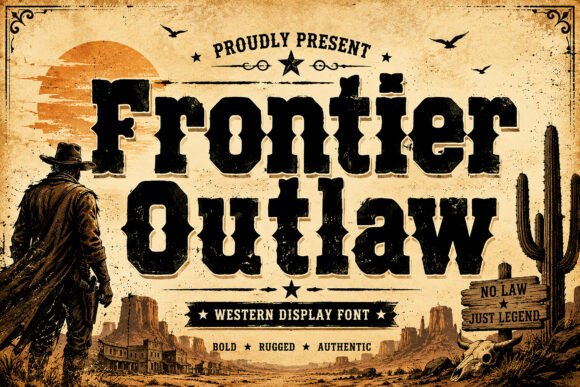
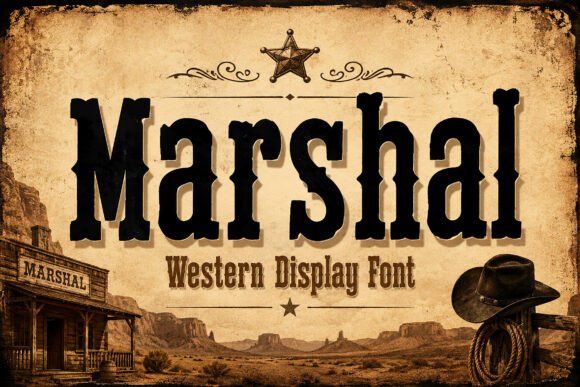
Marshal is more than just a font—it's a gateway to the rugged, authentic spirit of the Wild West. With its bold slab-serif design, it captures the essence of vintage cowboy typography, making it ideal for anyone looking to infuse their work with a sense of history and character. Whether you're designing a logo, creating a branding package, or crafting a poster, Marshal offers a unique blend of style and functionality that resonates across multiple industries and creative disciplines.
For those who appreciate the visual storytelling of the past, Marshal brings a nostalgic charm that feels both familiar and fresh. Its clean, legible characters maintain a strong presence without sacrificing readability, ensuring that your message stands out whether it's on a digital screen or a printed sign. This versatility makes it a go-to choice for designers, entrepreneurs, and creators who want to express a distinct western aesthetic in their work.
Why Different Audiences Care About Marshal
Understanding why different people might value Marshal depends on their goals, skill levels, and the nature of their projects. For beginners, the font's straightforward design and clear letterforms make it an accessible starting point for learning about typography and western aesthetics. It allows them to experiment with style without the complexity of more intricate fonts.
Experienced designers, on the other hand, may see Marshal as a powerful tool for adding authenticity to their work. Its aged, worn look can elevate the visual appeal of logos, packaging, or signage, especially when working on retro or modern western-themed projects. For professionals in the advertising or marketing fields, this font can help create campaigns that feel grounded in tradition while still feeling contemporary.
Educators and students interested in graphic design or typography might find Marshal useful for teaching the principles of historical typefaces and how they influence modern design. It serves as a practical example of how form and function can coexist in a single typeface, offering insights into the evolution of western-style typography.
How Different Users Might Approach Marshal
Small business owners, particularly those in the hospitality or retail sectors, could use Marshal to create branding that reflects a rustic, down-to-earth vibe. A coffee shop, boutique, or restaurant looking to evoke a sense of nostalgia might choose this font for menus, signage, or promotional materials. Its ability to convey warmth and authenticity can help build a stronger connection with customers.
Hobbyists and DIY enthusiasts often seek out fonts that allow them to personalize their projects with a unique touch. Whether it's custom T-shirts, handmade greeting cards, or home décor, Marshal provides a way to add a western flair that feels intentional and meaningful. Its multilingual support also makes it a great option for those looking to reach a broader audience.
For content creators and bloggers, Marshal can be a valuable addition to their design toolkit. It can enhance the visual identity of a blog, social media posts, or video thumbnails, helping to establish a consistent and recognizable brand image. When paired with the right imagery and color schemes, it can transform a simple post into something that feels like a piece of art.
Key Features That Make Marshal Stand Out
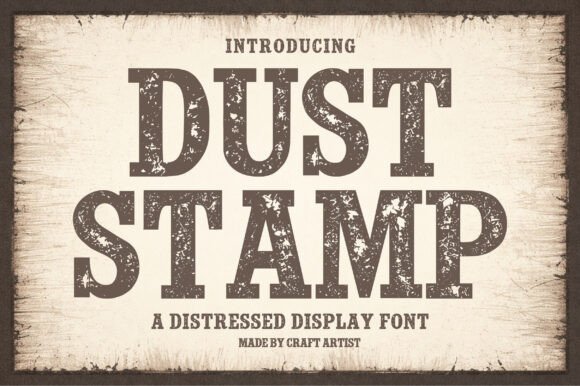
One of the most appealing aspects of Marshal is its balance between vintage charm and modern usability. The font maintains a rough, worn look that evokes the feel of old rodeo posters and saloon signs, yet it remains crisp and readable in both print and digital formats. This duality ensures that it can be used effectively across a wide range of applications.
Its comprehensive character set includes uppercase, lowercase, numbers, and punctuation, making it suitable for everything from headlines to body text. This flexibility is especially important for users who need a font that can handle various types of content without compromising on style or clarity.
Additionally, Marshal supports multiple languages, which is a significant advantage for businesses or creatives looking to expand their reach. Whether you're targeting local markets or international audiences, this feature ensures that your message can be communicated effectively in different linguistic contexts.
Practical Applications for Various Projects
For book publishers, Marshal can be an excellent choice for cover designs that aim to capture the spirit of western literature. Its bold, striking appearance can draw readers in and set the tone for the stories within. Similarly, for musicians or event organizers promoting country or folk events, using Marshal in promotional materials can help reinforce the theme and attract the right audience.
Entrepreneurs launching a new product line—such as a collection of western-inspired apparel or accessories—can benefit from using Marshal to create labels, tags, or packaging that reflect the brand's identity. The font's ability to convey a sense of authenticity can help differentiate their products in a competitive market.
Consumers looking to personalize their own items, such as custom leather goods or home decor, might find Marshal useful for adding a personal touch. By incorporating this font into their designs, they can create one-of-a-kind pieces that reflect their individual style and appreciation for western culture.
Is Marshal Right for You?
Determining whether Marshal is the right choice depends on your specific needs and creative goals. If you're looking for a font that combines historical inspiration with modern adaptability, then Marshal is worth considering. It's particularly well-suited for projects that require a strong visual identity rooted in the western aesthetic.
However, if your focus is on minimalism or high-tech design, you may find that Marshal's bold, slab-serif style doesn't align with your vision. In such cases, exploring other typefaces that better match your aesthetic preferences would be advisable.
Ultimately, the decision to use Marshal should be based on how well it complements your project's overall message and visual language. By understanding its strengths and limitations, you can make an informed choice that enhances your creative work and connects with your intended audience.