Discover the Timeless Appeal of Burble
For designers, marketers, and creators seeking a font that blends vintage charm with modern functionality, Burble stands out as a versatile and powerful choice. This bold vintage slab display font combines strong letterforms, soft curves, and a handcrafted feel to deliver a confident yet approachable presence. Whether you're working on branding, packaging, or editorial layouts, Burble offers a unique character that enhances visual storytelling without overwhelming the design.
Understanding Burble: A Font with Character
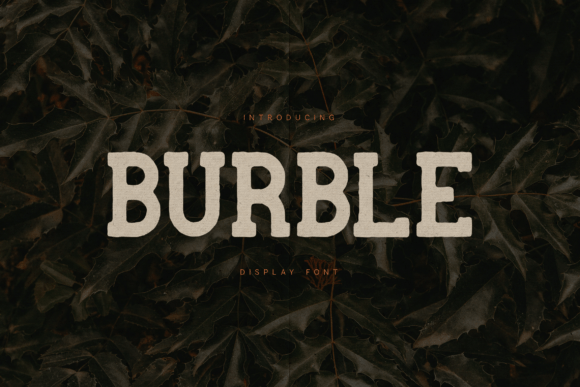
Burble is more than just a typeface—it's a tool that adds personality and depth to any project. Its chunky, blocky serifs and soft, weathered texture create a balance between strength and warmth, making it ideal for designs that need to feel sturdy yet welcoming. The font’s organic feel evokes a sense of authenticity, perfect for brands that want to convey a story or connect with their audience on a deeper level.
Unlike standard slab fonts that can appear rigid or harsh, Burble introduces a subtle texture that softens the edges, giving it a hand-pressed quality. This makes it particularly well-suited for nature-based branding, farm-to-table menus, and adventure gear logos where a grounded, vintage-inspired aesthetic is essential.
Integrating Burble into Your Design Workflow
Whether you're starting a new project or refining an existing one, Burble can play a key role in shaping your visual identity. Its weighted presence makes it excellent for large headlines on signage, wood-print packaging, or digital banners. When used strategically, it can draw attention while maintaining readability, ensuring your message is both seen and understood.
One effective way to use Burble is to pair it with a clean, modern sans serif. This contrast creates a balanced “outdoorsy-chic” look that works well for camping blogs, craft brewery labels, or botanical garden signage. The combination allows Burble to shine as a headline font while the sans serif handles body text, offering clarity and cohesion across different design elements.
Practical Use Cases for Burble
Burble’s versatility makes it suitable for a wide range of applications. For example, in poster design, it can serve as a strong focal point that captures attention and sets the tone. In logo development, its unique texture adds a tactile quality that makes the brand feel more relatable and memorable. On packaging, it can reinforce the product’s identity, especially for items that emphasize craftsmanship or natural ingredients.
When working on editorial layouts, Burble can be used for section headers or featured quotes, adding visual interest without disrupting the flow of content. In apparel design, it can appear on t-shirts, hats, or bags, offering a bold and recognizable style that resonates with target audiences.
Workflow Tips for Using Burble
To get the most out of Burble, consider how it fits into your overall design process. Start by identifying the purpose of your project and the emotions you want to evoke. If your goal is to create a warm, inviting atmosphere, Burble can help set that tone. If you’re aiming for a more rugged or adventurous vibe, its textured appearance will support that narrative.
Before finalizing your design, test Burble at different sizes and in various contexts. Ensure that it remains legible and maintains its character across different mediums, such as print, web, or social media. Also, pay attention to spacing and alignment—Burble’s bold structure may require adjustments to avoid overcrowding or uneven distribution.
Compatibility and Organization
When using Burble in a larger design system, it’s important to maintain consistency. Define clear guidelines for when and how to use the font, including size restrictions, color schemes, and pairing options. This ensures that it complements other elements of your design rather than competing with them.
Burble also supports extensive multilingual characters, making it a valuable asset for global projects. Whether you're designing for English, Spanish, French, or other languages, the font provides reliable performance and aesthetic appeal across different scripts.
Long-Term Use and Quality Control
As with any design element, the long-term success of Burble depends on how well it aligns with your brand’s evolving needs. Regularly review how it performs in different applications and gather feedback from users or stakeholders. This helps identify areas for improvement and ensures that the font continues to meet your goals over time.
Additionally, keep your design assets organized so that Burble is easily accessible and properly documented. This streamlines the workflow and reduces the risk of errors, especially when multiple team members are involved in the design process.
Conclusion: Embrace the Storytelling Power of Burble
Burble isn’t just a font—it’s a storytelling tool that brings character and authenticity to your work. By understanding its strengths and integrating it thoughtfully into your design process, you can enhance your visual communication and create a lasting impression. Whether you're launching a new brand, updating a logo, or designing for a specific audience, Burble offers a timeless and versatile solution that feels both grounded and forward-thinking.