Based Book: A Strategic Typography Choice for Modern Designers
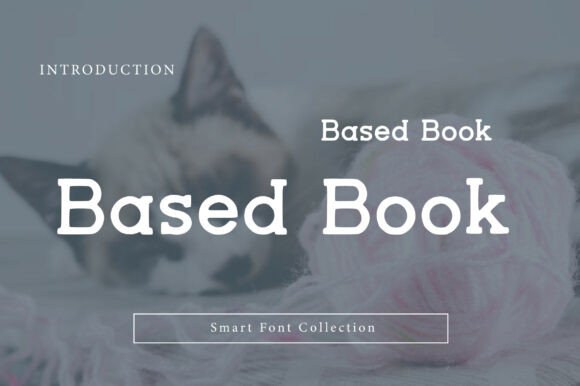
Based Book is more than just a font—it’s a thoughtful design tool that blends classic charm with modern usability. This bold, friendly serif display font features soft curves, sturdy stems, and a bookish personality that makes it instantly recognizable. Its readable, slightly playful letterforms offer a unique balance between tradition and approachability, making it ideal for a wide range of applications. Whether you're designing a book cover, a logo, or a vintage-inspired poster, Based Book can elevate your work with its distinctive character.
For professionals in marketing, publishing, branding, and creative fields, choosing the right typography is a strategic decision. Based Book provides a versatile foundation that supports both aesthetic and functional goals. It’s not just about style—it’s about how the font contributes to clarity, brand identity, and audience engagement.
Why Based Book Matters in Strategic Design
Typography isn’t just about visual appeal; it’s about communication. The right font can reinforce a brand’s message, guide reader attention, and shape perceptions. Based Book offers a strong visual presence without sacrificing readability, which is crucial for effective communication. Its soft curves and sturdy structure make it suitable for headlines, titles, and other prominent text elements where impact and legibility are both important.
For entrepreneurs and small business owners, this font can help establish a memorable brand identity. In a crowded market, standing out visually is key. Based Book’s charming, bookish personality can evoke a sense of trust, creativity, and authenticity—qualities that resonate with audiences looking for quality and originality.
Marketers and publishers can use Based Book to create a cohesive visual language across campaigns, publications, and digital assets. Its versatility allows it to adapt to different formats while maintaining a consistent tone. This consistency is essential for building brand recognition and fostering customer loyalty.
When to Use Based Book: Practical Applications
Based Book shines in scenarios where a bold, friendly, and classic feel is desired. It’s particularly effective for:
- Book covers and editorial designs: The font’s bookish personality aligns perfectly with literary themes, making it a great choice for fiction, non-fiction, and academic publications.
- Logos and branding: For brands that want to convey a sense of tradition, creativity, or intellectualism, Based Book offers a distinctive yet professional look.
- Packaging and labels: Its readable yet stylish appearance makes it suitable for product packaging, especially for niche or artisanal brands aiming for a vintage or handmade aesthetic.
- Posters and print materials: Whether promoting an event, a product, or a service, Based Book adds visual interest and clarity to printed media.
However, it’s important to consider the context. Based Book may not be the best choice for body text or long paragraphs, as its boldness and decorative elements can reduce readability. Instead, it works best as a headline or focal point within a larger design.
Strategic Considerations for Using Based Book
Before incorporating Based Book into a project, it’s essential to evaluate how it aligns with your goals. Ask yourself: What message do I want to convey? Who is my audience? How does this font support the overall design and purpose?
One key consideration is contrast. Based Book pairs well with simpler, more neutral fonts for body text, ensuring that the headline remains visually distinct without overwhelming the reader. This contrast helps maintain clarity and hierarchy in the design.
Another factor is the medium. Digital versus print applications may require adjustments in spacing, size, and weight to ensure optimal readability. Testing the font in different contexts is crucial to understanding how it performs in real-world scenarios.
Finally, think about the emotional tone you want to create. Based Book’s friendly and slightly playful nature can add warmth and approachability to a design, but it should be used intentionally. Overuse or inappropriate placement can dilute its effectiveness and confuse the message.
How to Approach Based Book for Better Results
Using Based Book effectively requires a thoughtful, intentional approach. Start by defining the purpose of the design. Is it to grab attention, convey information, or build brand identity? Once the goal is clear, select the font accordingly and test it in different layouts.
Consider the following tips:
- Use it as a focal point: Highlight Based Book in headlines, titles, or key visuals where it can command attention without competing with other elements.
- Pair it with complementary fonts: Combine it with sans-serif or minimalist fonts for body text to create balance and improve readability.
- Experiment with weights and sizes: Adjust the font size and weight to suit the medium and the intended message. Larger sizes can emphasize importance, while smaller sizes may work for subtle accents.
- Test across platforms: Ensure the font looks good on screens, in print, and in different lighting conditions to maintain consistency and quality.
By taking these steps, you can maximize the impact of Based Book while avoiding common pitfalls like overuse or poor pairing.
The Risks of Using Based Book Without Strategy
Like any design element, Based Book can be misused if applied without clear intent. Randomly selecting a font without considering its role in the overall design can lead to confusion, inconsistency, and a lack of focus. This is especially true when the font doesn’t align with the brand’s voice or the audience’s expectations.
For example, using Based Book in a high-tech or minimalist design might feel out of place, undermining the intended message. Similarly, using it in a large block of text could reduce readability and frustrate readers. These issues highlight the importance of strategic font selection and thoughtful application.
Without a clear plan, Based Book may become a distraction rather than an asset. It’s not enough to choose a font because it looks good—it must serve a purpose within the design and the broader strategy.
Long-Term Value of Intentional Font Choices
Typography choices have long-term implications for branding, user experience, and business outcomes. By using Based Book intentionally, designers and businesses can build a stronger, more cohesive visual identity that resonates with their audience.
This approach also supports scalability. As a brand grows and evolves, having a consistent and strategic font choice ensures that new designs remain aligned with the original vision. It reduces the need for constant rebranding and helps maintain a clear, recognizable presence in the market.
Moreover, thoughtful typography fosters better communication. When a font enhances clarity and reinforces the message, it strengthens the connection between the brand and its audience. This connection is vital for building trust, driving engagement, and achieving long-term success.
Conclusion: Embrace Based Book with Purpose
Based Book is a powerful tool for designers and professionals who value both aesthetics and functionality. Its unique blend of classic charm and modern usability makes it a valuable addition to any design toolkit. However, its effectiveness depends on how it’s used.
By approaching Based Book with intention, clarity, and strategy, you can unlock its full potential. Whether you’re creating a book cover, a logo, or a marketing campaign, this font can help you communicate more effectively and stand out in a competitive landscape. The key is to use it thoughtfully, ensuring that every design decision aligns with your goals and values.